Long before her name would be forever linked with one of America’s most polarizing figures, Mary Anne MacLeod’s life began in humble circumstances — in a remote corner of Scotland, dreaming, struggling, and daring to make a new life across the Atlantic.
Early Life in Scotland
Mary Anne MacLeod was born on April 10, 1912, in the crofting village of Tong, on the Isle of Lewis, part of the Outer Hebrides in Scotland. Life on those windswept islands was austere: small homes, rugged terrain, and limited prospects. Her family, like many in that region, made do with very little. Daily life meant tending to chores, helping neighbors, and finding resourcefulness in every little opportunity.
Despite the hardships, Mary Anne absorbed tales of distant lands and felt a yearning to leave behind the narrow island life. She was known to be quiet, strong-willed, and determined — qualities that would carry her across an ocean.
The Decision to Emigrate
By the late 1920s, Scotland’s economic opportunities, especially in remote regions, were shrinking. Many young people, particularly women, looked abroad for hope. Mary Anne decided to emigrate to the United States. In 1930, at age 18, she boarded a steamship bound for New York — carrying just $50 (a modest sum even then) and nothing more than hope and determination.
She arrived in America not as a celebrity or with influential connections, but as a migrant with little security. Her destination: to live with her sister in the U.S. and find honest work.
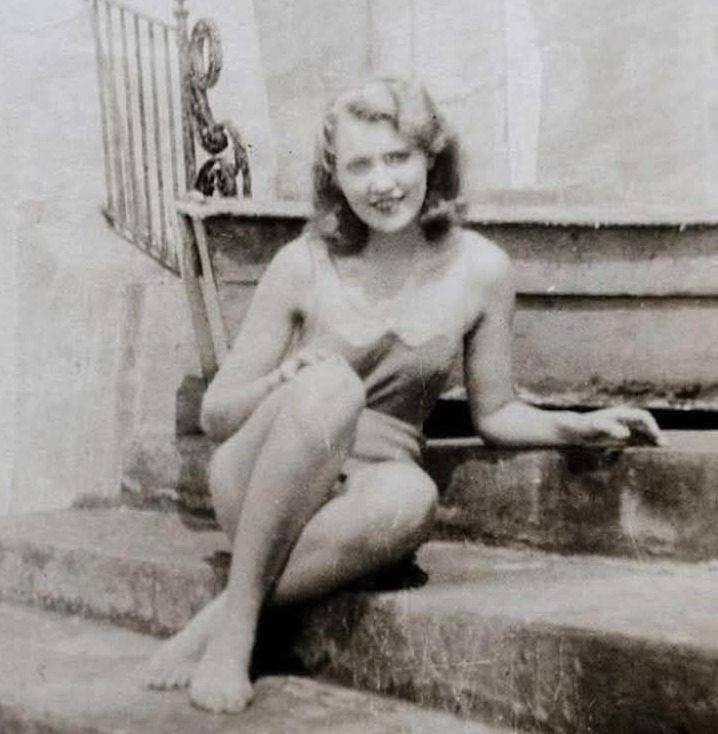
Life as an Immigrant Maid
Once in New York, Mary Anne moved in with her sister, who had established some foothold in the city. Mary Anne took work as a domestic servant, cleaning, cooking, and tending to homes. The jobs were demanding and often underpaid, but they gave her the stability to survive and pursue small steps upward.
During these years, she witnessed the city’s stark contrasts: the luxury homes of the upper class, the crowded tenements of immigrants, and the daily toil of people just trying to get by. She observed both the cruelties and kindnesses of a new world, and she absorbed lessons in perseverance.
Meeting Frederick Trump
In one of life’s unpredictable turns, Mary Anne encountered Frederick Trump (Fred), an ambitious businessman in New York. Their meeting is sometimes portrayed as chance; their courtship modest and respectful. Fred was ascending in his ventures in real estate and construction, and Mary Anne brought with her quiet dignity, loyalty, and the grit she had cultivated over years of struggle.
They married, and Mary Anne’s life entered a new phase — one filled with opportunity, but also challenges. Together they built a family and pursued American dreams. As Frederick’s wealth grew, so did their social circle, and Mary Anne became not just a spouse but a social presence in her own right.
From Humble Maid to High Society
Over time, Mary Anne’s style of life changed drastically. The fur coats, exotic vacations, elegant homes — these were a world apart from her childhood in Scotland or early days in New York. Yet, she never fully abandoned her roots or forget the journey she had made. Though she now moved in elite circles, she maintained a sense of reserve and propriety.
People who knew her often remarked on her quiet poise, her steady character, and her preference for privacy. She was seldom in the spotlight herself, but she supported others and quietly engaged in charity.
A Heart for Philanthropy
Perhaps most surprising given her flight from poverty, Mary Anne made philanthropy a priority. She supported causes such as cerebral palsy initiatives and programs for intellectually disabled adults. She gave her time, attention, and resources — even when many around her might have insisted on more conspicuous displays of wealth.
Her charitable work continued throughout her life, not as a publicity tool, but as an earnest reflection of her values and compassion.
Legacy and Reflection
Mary Anne MacLeod died in 2000, leaving behind children, grandchildren, and a reputation less remembered than it might be. Today, most people know her only as “Donald Trump’s mother,” but in fact, her own life was a saga of resilience, quiet ambition, and giving.
Her journey—from a remote Scottish isle, to immigrant maid, to society matron—offers a window into the immigrant experience, the contrast between scarcity and abundance, and the way one person can evolve without forgetting where she came from.
Mary Anne didn’t seek fame, but her life story is powerful. It reminds us that behind public figures, there are often hidden narratives of courage, imperfection, and heart. And sometimes, the greatest revelations lie just beneath the names we think we already know.